
Anxiety doesn’t always look like anxiety. Many people seem fine from the outside: the work gets done, and friends call them the calm one.
Nobody sees the message reread five times, the meeting replayed at 2am, or the tight chest on the Jubilee line on an ordinary Tuesday.
Some people put it down to personality: “I’m just a worrier.” Others come after a first panic attack, half convinced something is wrong with their heart.
What anxiety can feel like day to day
It tends to show up in three places:
- In the mind: looping thoughts, rehearsing what could go wrong, dread before ordinary things
- In the body: a racing heart, a tight chest, a churning stomach, waking at 4am already braced
- In behaviour: putting off calls, over-preparing, cancelling plans, arranging the week around the feeling
Panic attacks
A panic attack is a sudden rush of fear with a pounding heart, breathlessness and dizziness. Many people are sure they are about to faint or have a heart attack.
According to the NHS, most attacks last 5 to 20 minutes and, although frightening, are not dangerous.
Often the fear of the next attack changes daily life more: people avoid the Tube at rush hour or give up the gym.
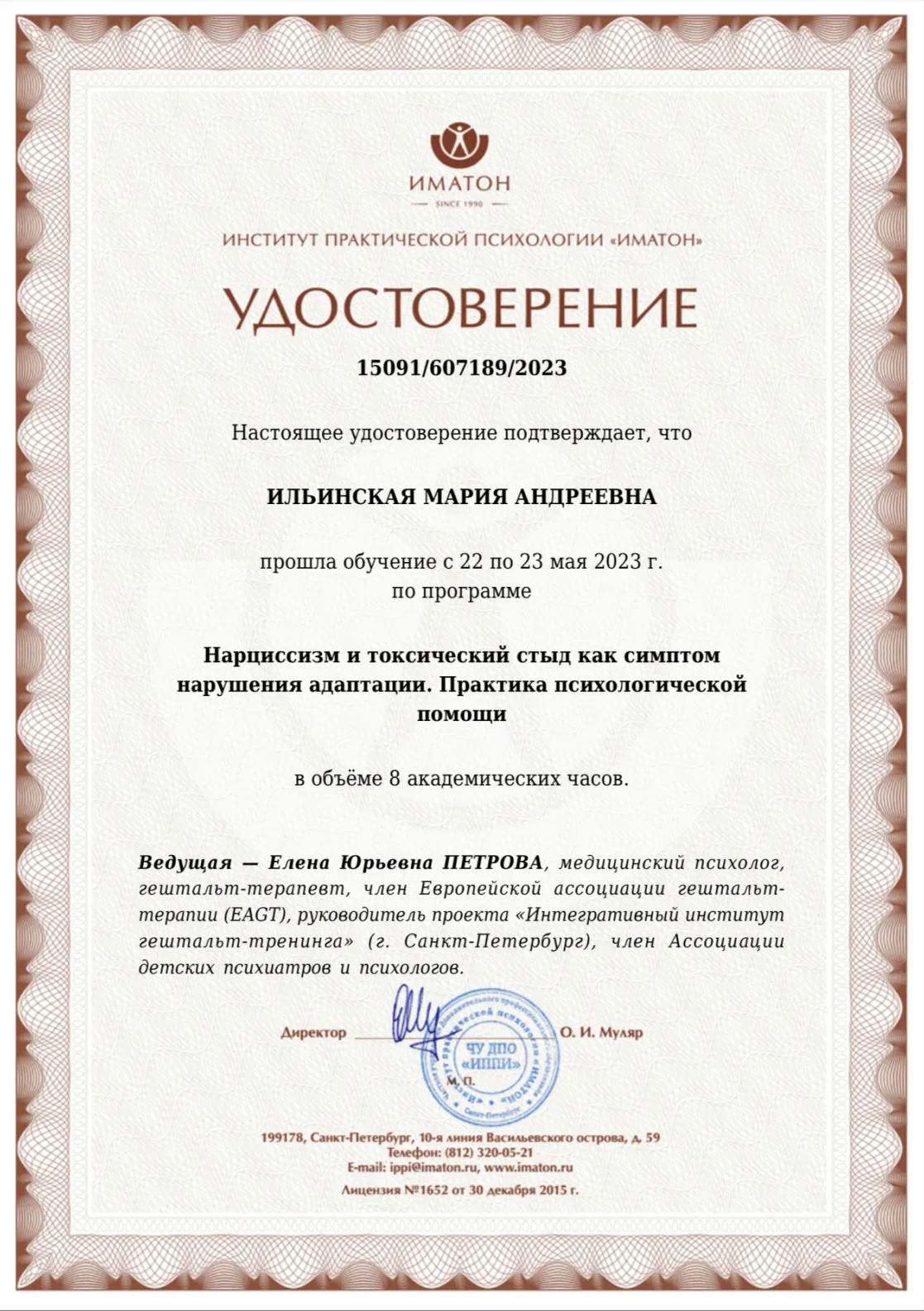
I work with panic attacks as part of anxiety. In sessions we look at what tends to come before an attack.
We also look at what you do to feel safe, since that can keep the fear going.
New physical symptoms are worth checking with a GP, as some can have medical causes.
Call 999 if chest pain comes on suddenly and does not go away, or spreads to your arm, neck, jaw, stomach or back.
The same applies if it comes with sweating, feeling sick, light-headedness or breathlessness.
What people come to me with
- Worry that never quite stops: money, the children, a parent’s health
- Overthinking at night, counting how little sleep is left
- Work stress: Sunday evenings spent dreading Monday, tiredness a holiday doesn’t shift
- Social anxiety: dread before a presentation, then hours of going over it
- Health anxiety: searching symptoms late at night, or avoiding the doctor altogether
- Anxiety after a move abroad, with visa deadlines and a life to build from scratch
Anxiety and low mood often come together. If worry sits alongside flatness or loss of interest, see therapy for depression.
How I work with anxiety
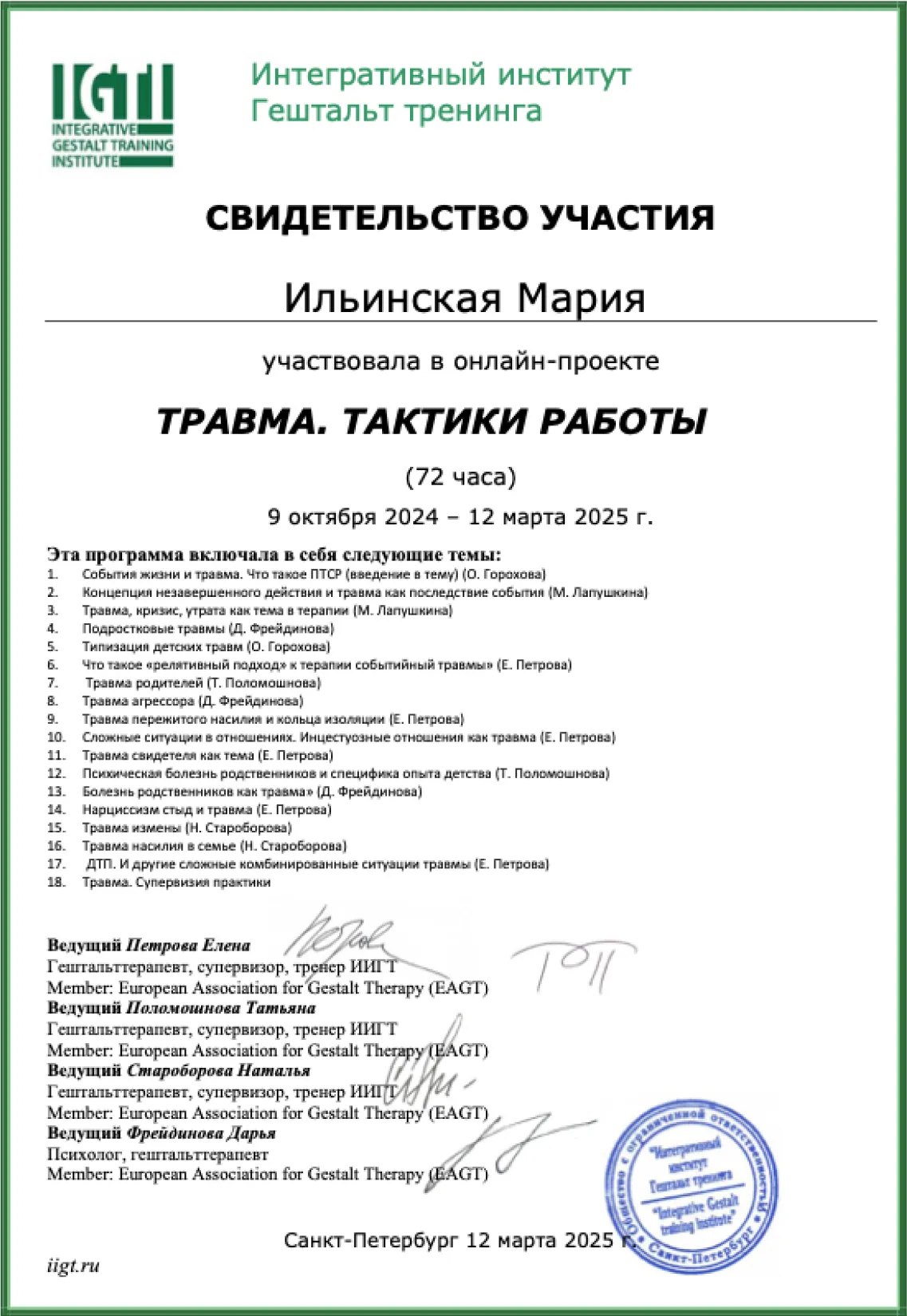
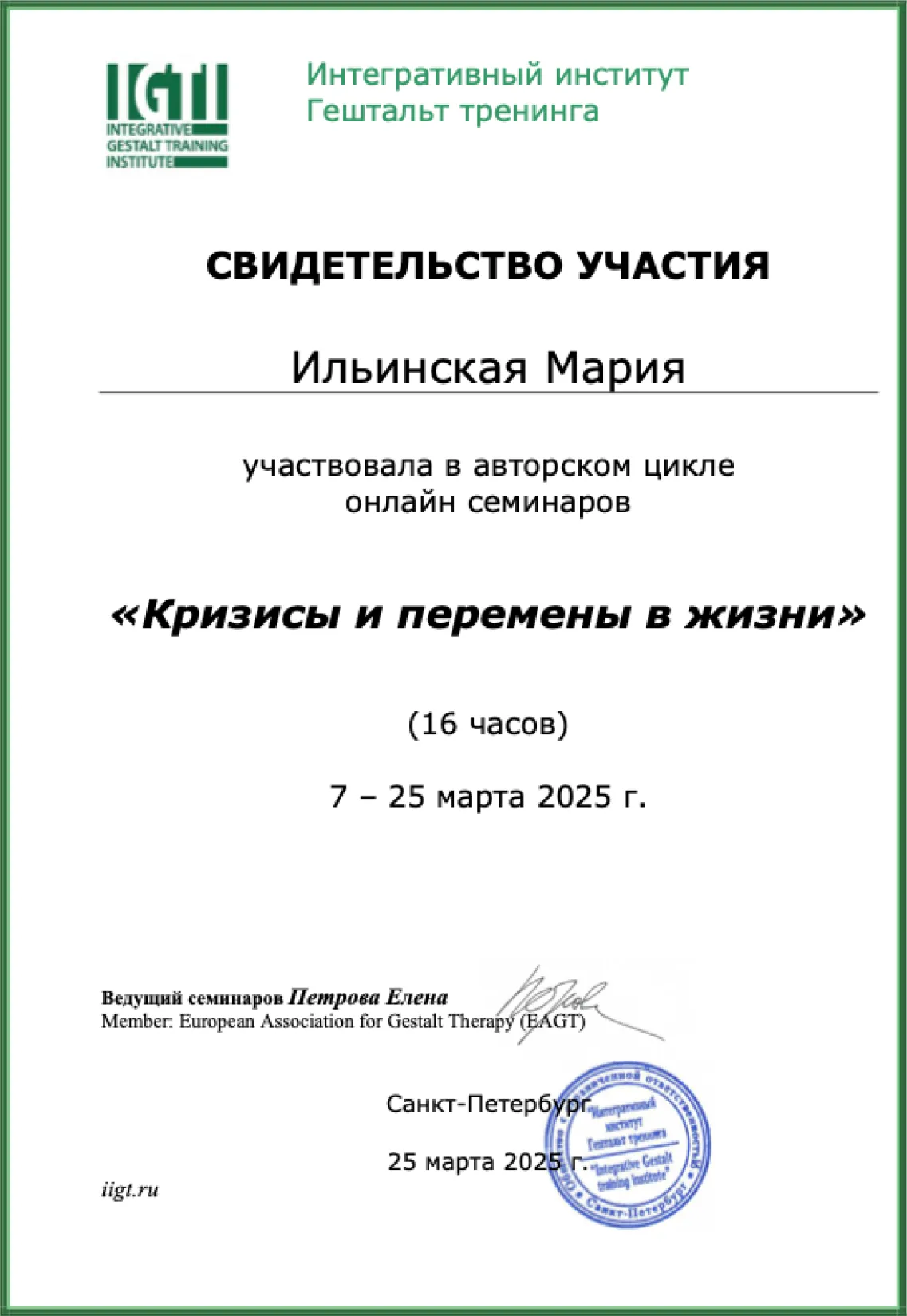
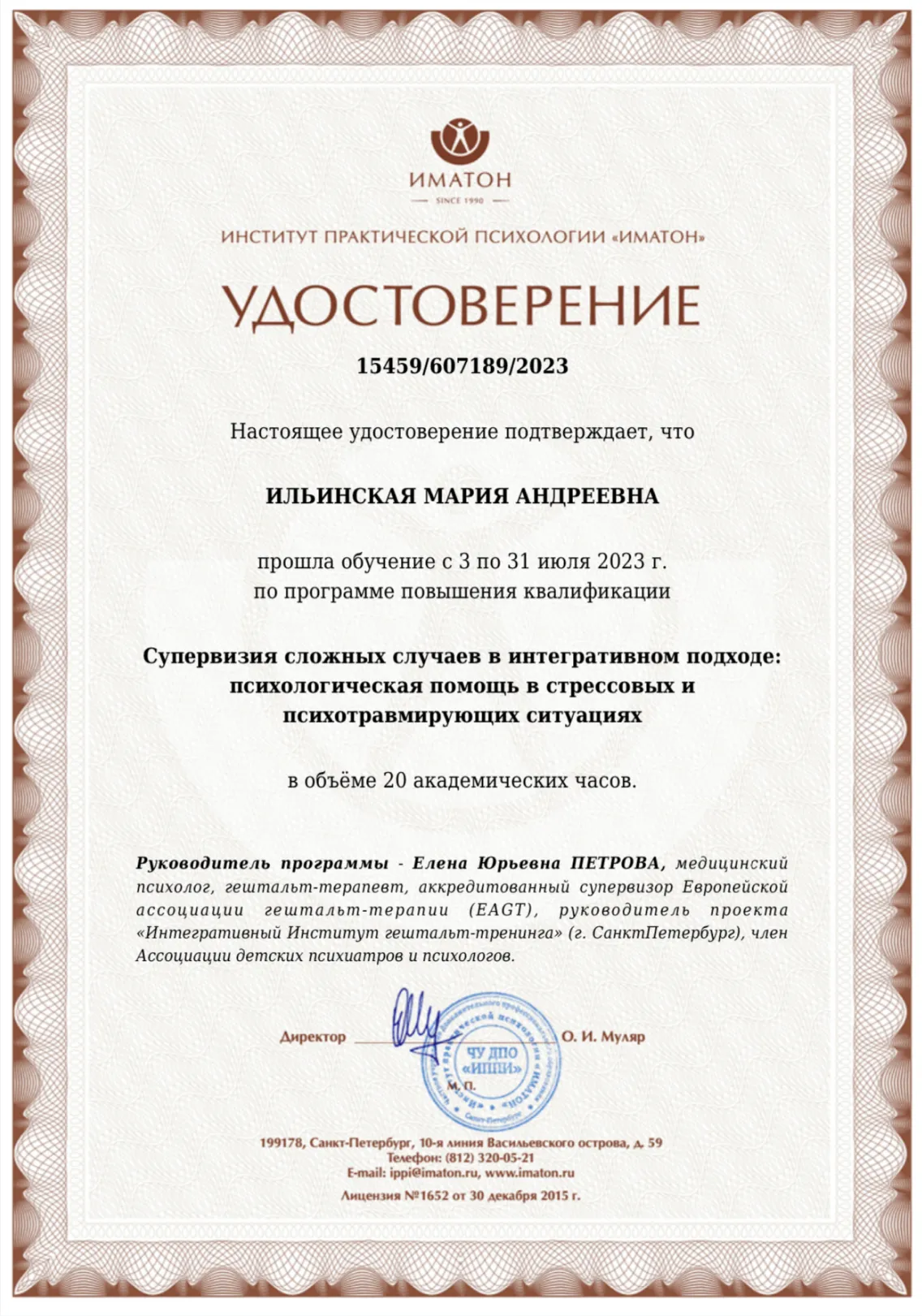
I work integratively, both in short-term counselling and in longer-term therapy. What we do depends on how your anxiety works.
We often start from something recent, like the moment on the platform when panic began, and slow it down: your thoughts, your body, what you did next.
Over time, patterns show. A single rule, such as “nothing can be left to chance”, may sit behind worries that look unrelated.
Sometimes I suggest an exercise, like noticing your feet on the floor. More often we look at what the anxiety is trying to protect you from.