
Low self-esteem rarely looks dramatic. People who live with it are often capable, conscientious and well liked.
Inside, a running commentary says otherwise: a success was luck, a mistake was proof, a compliment was just politeness.
The NHS describes self-esteem as the opinion we have of ourselves. Confidence is narrower: the sense that you can handle a particular task.
A person can run meetings with ease and still feel they are not worth much. Counselling for self-esteem looks at both.
What low self-esteem can look like day to day
It usually shows up in small, ordinary moments:
- rewriting a two-line email five times, then adding “sorry to bother you” anyway
- hearing “great job” and thinking “they’re just being nice”, while one critical remark replays for a week
- staying quiet in a meeting, then hearing a colleague make the same point ten minutes later
None of these is a diagnosis. But when several have been part of life for years, they are worth talking about.
Where low self-worth comes from
According to the NHS, low self-esteem often begins in childhood, shaped by what a person hears from family, teachers and friends.
A child whose top marks were praised and ordinary results met with silence can grow into an adult who still waits for approval.
Later events can lower it too, such as illness or bereavement. Avoiding challenges may feel safe, but the NHS notes it tends to reinforce the doubts.
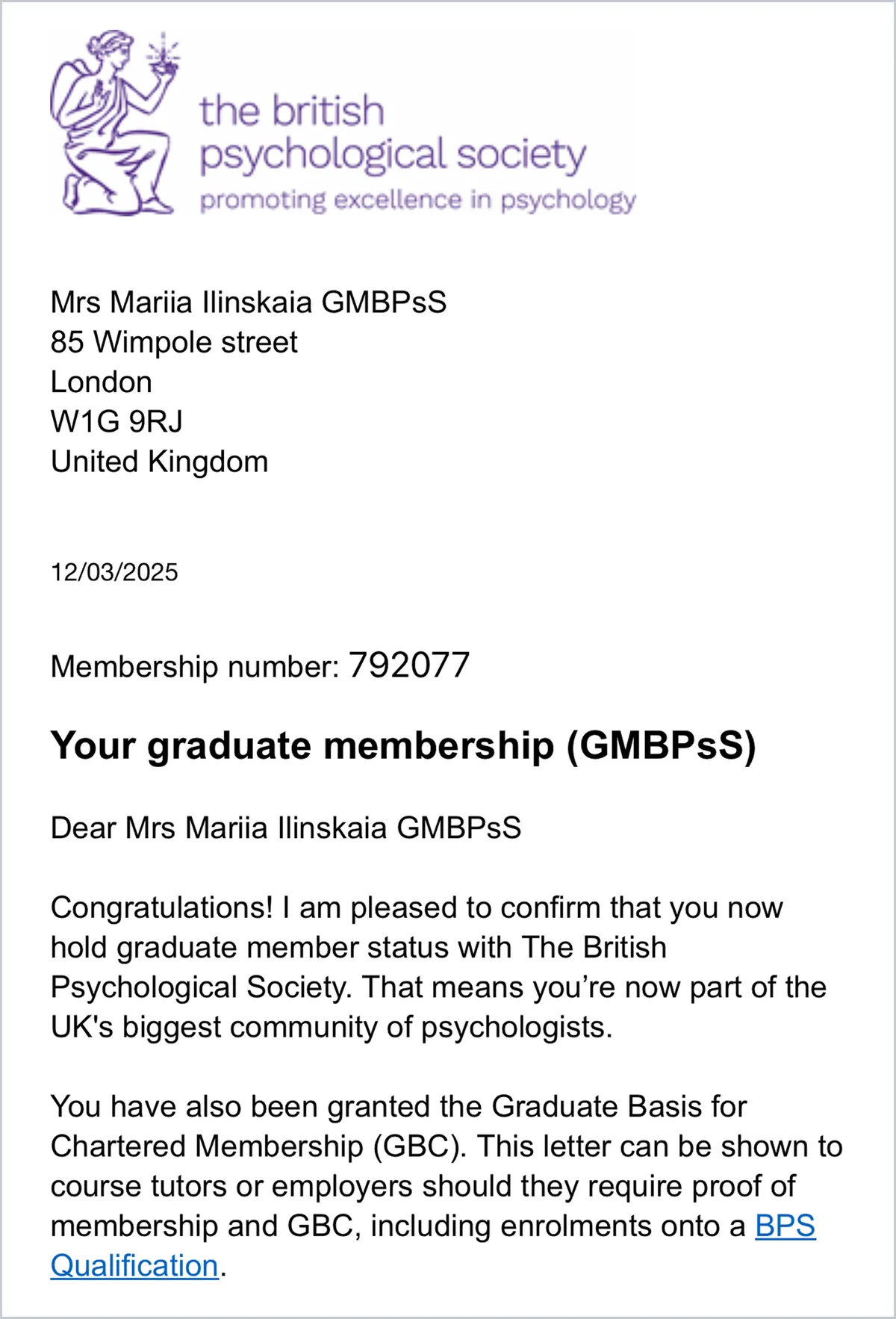
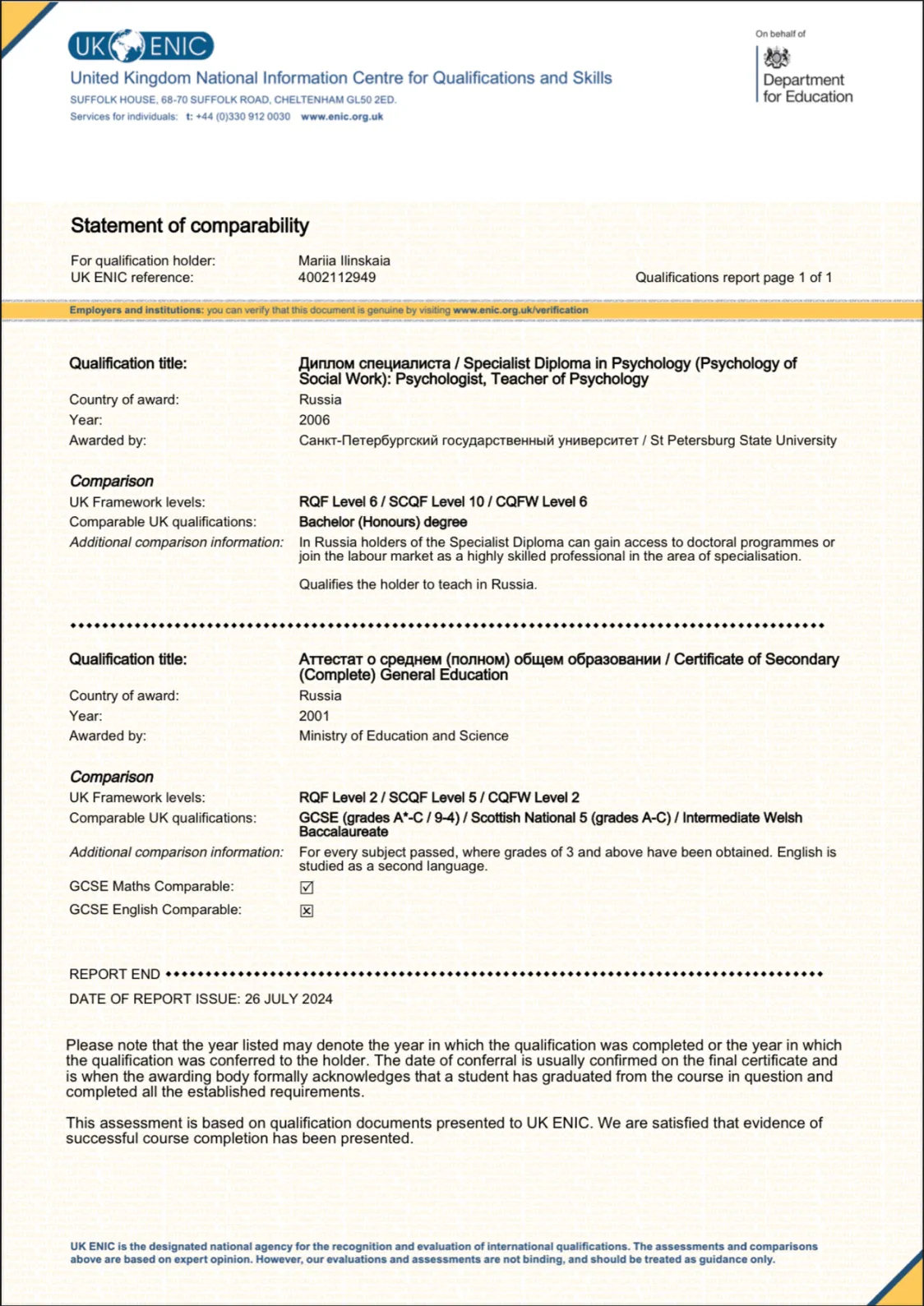
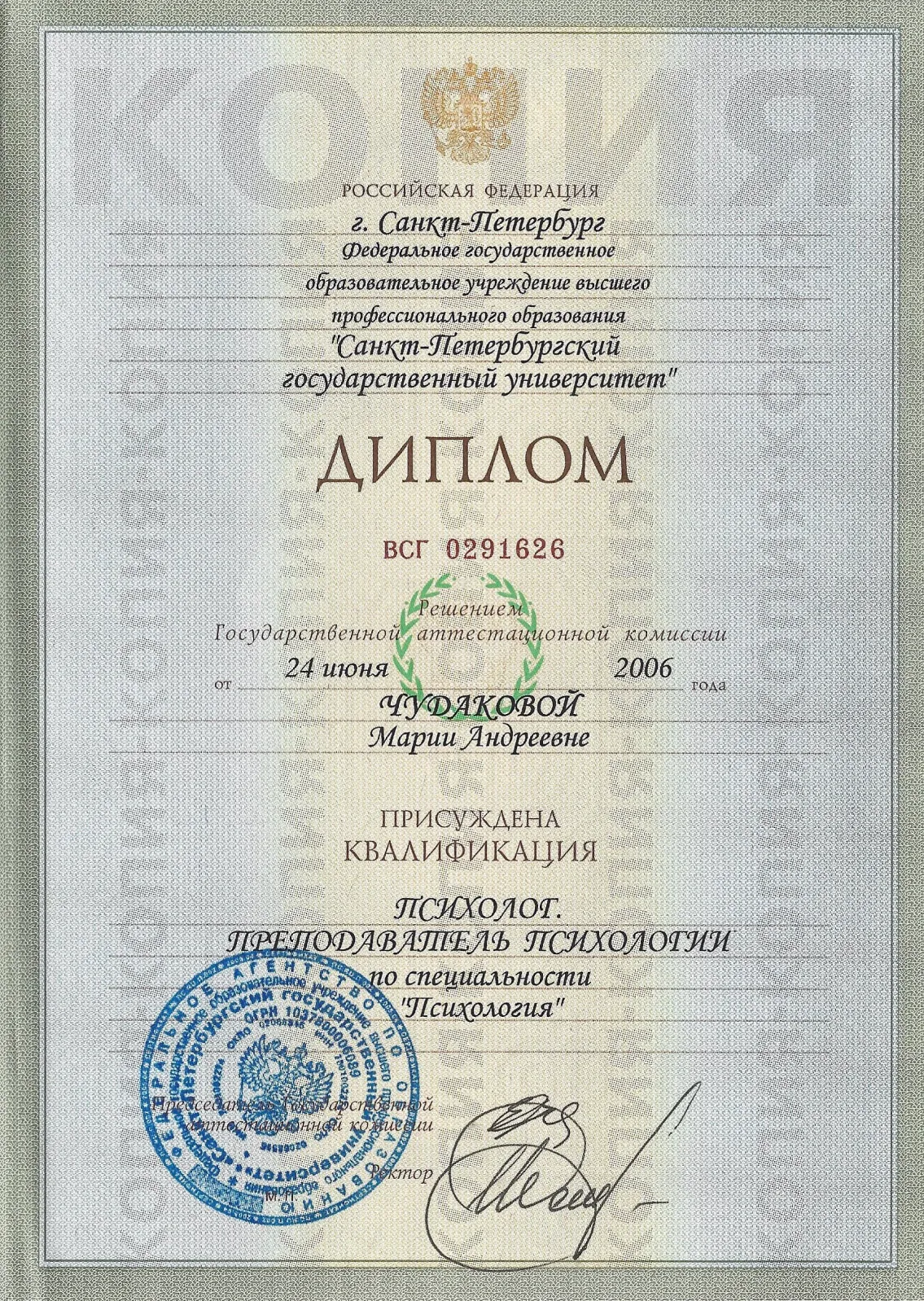
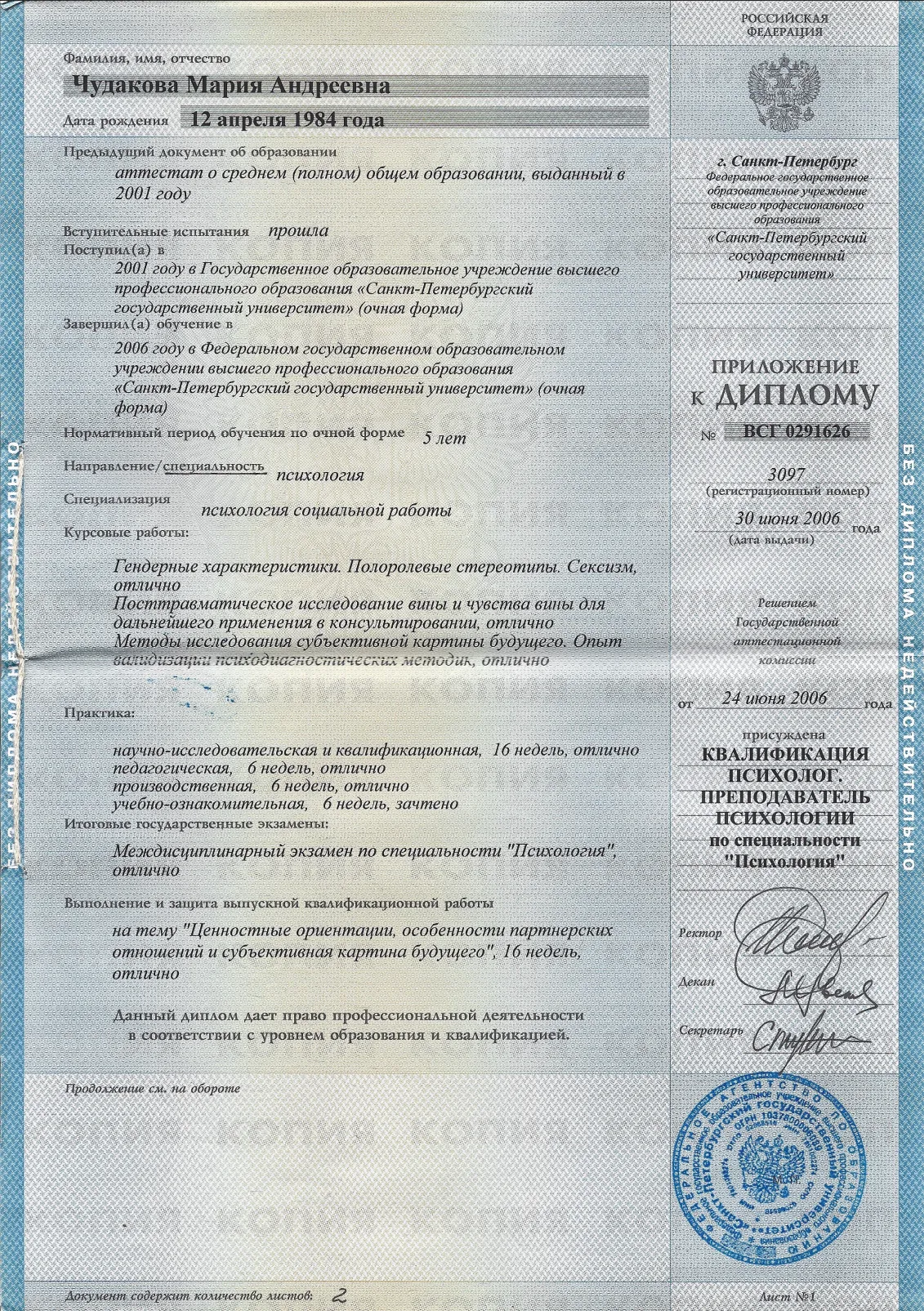
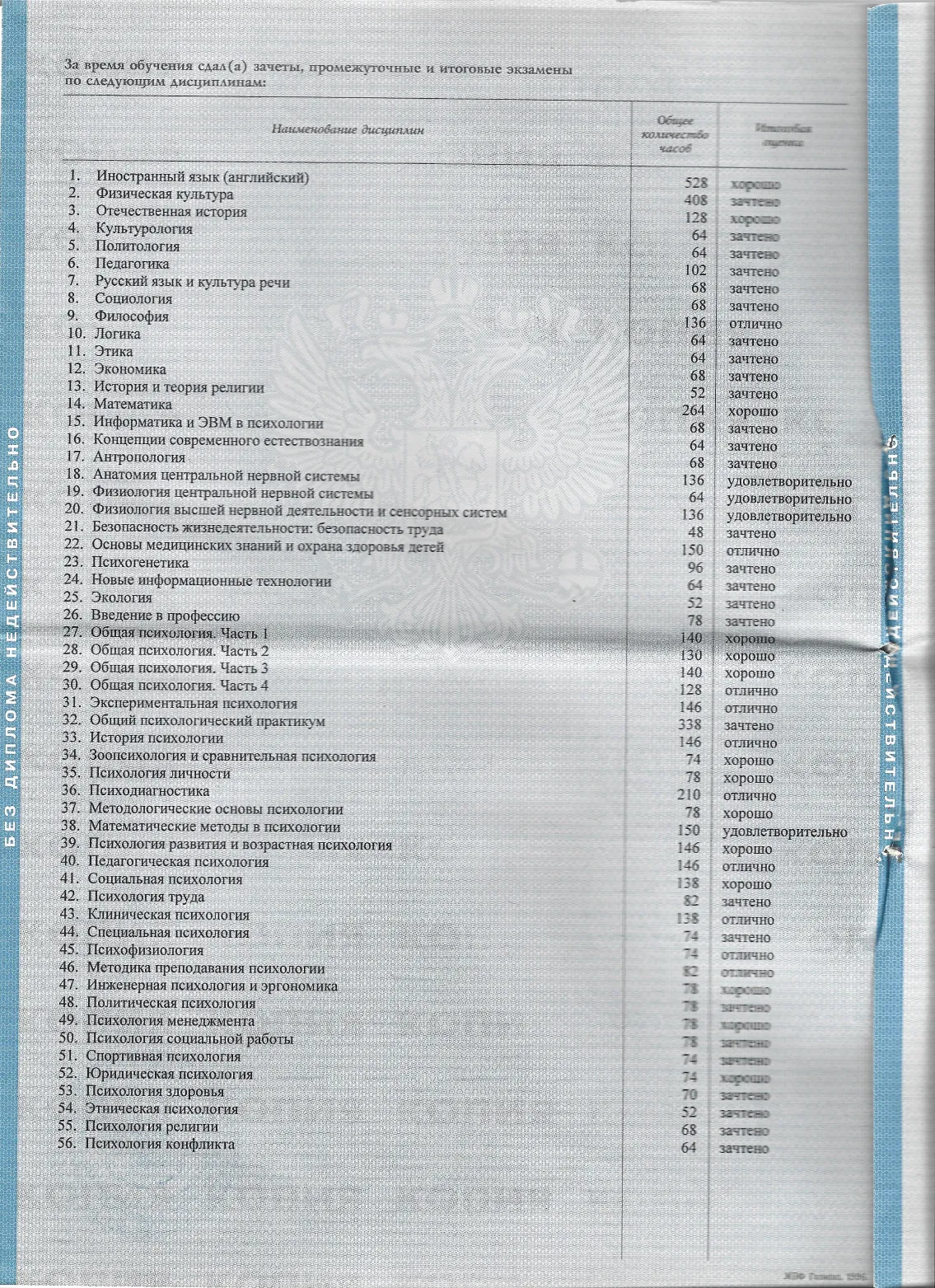
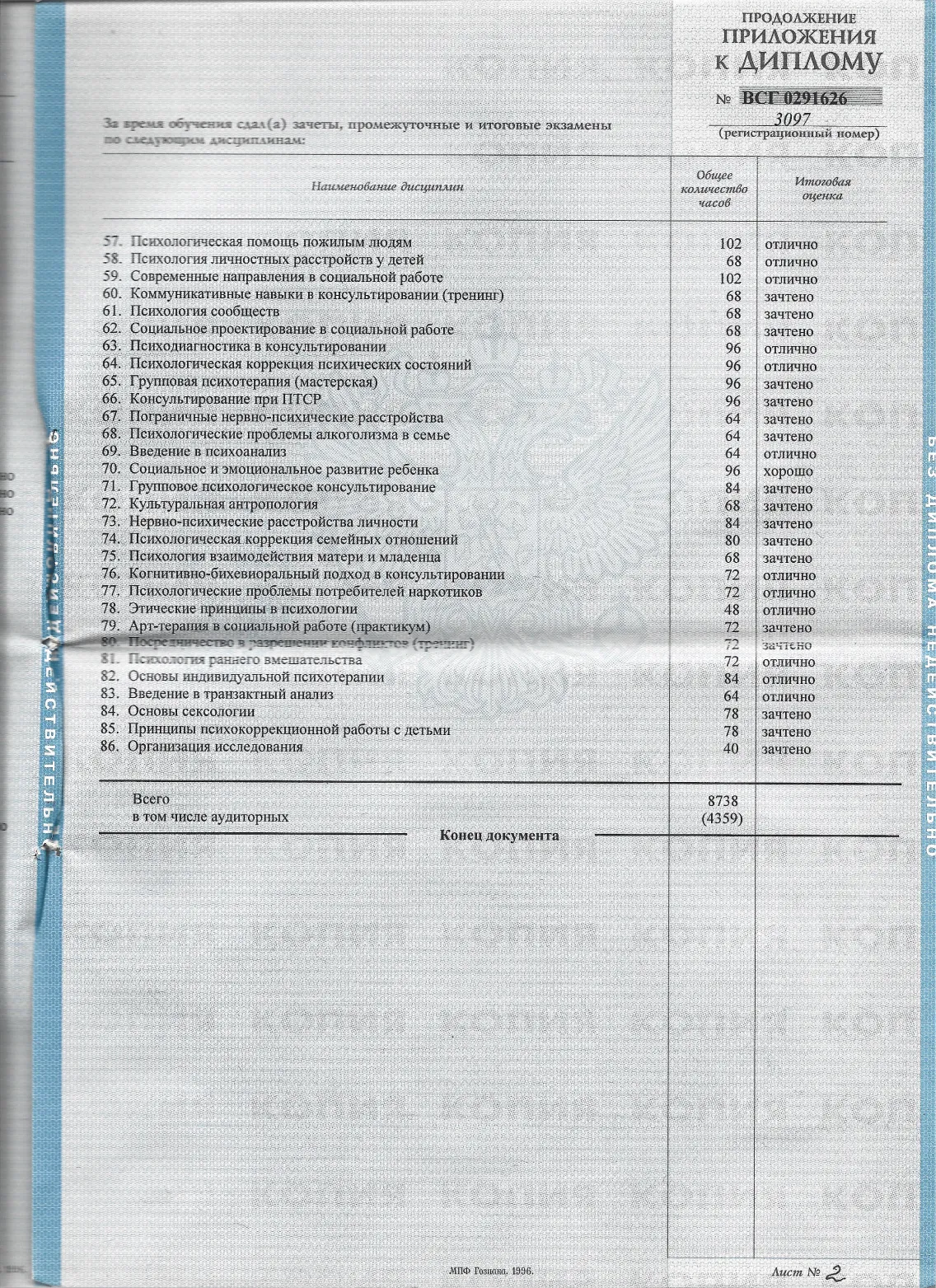
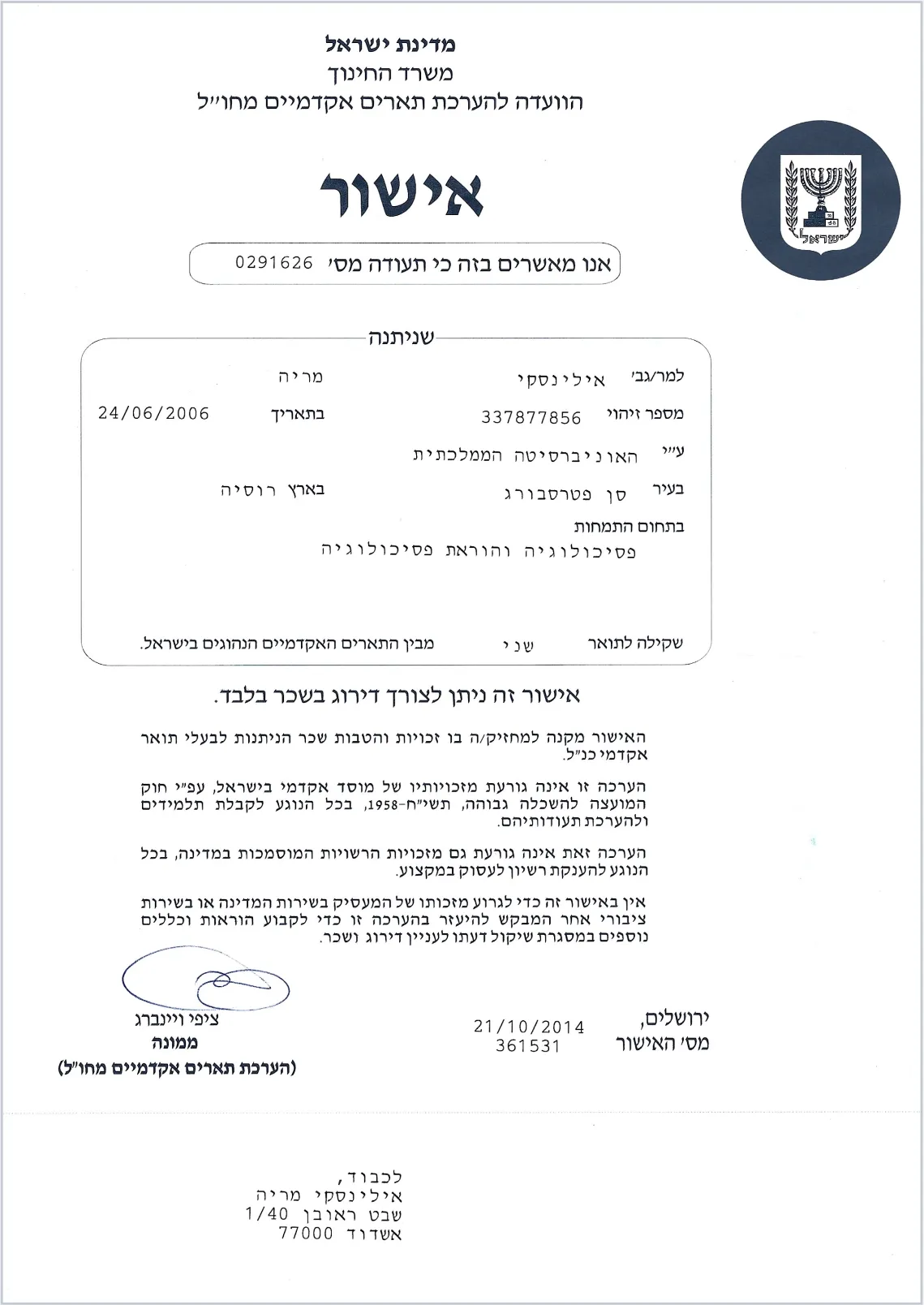
Moving abroad can shake it as well: my own degree had to be assessed again, first in Israel and then in the UK. More about this on the life changes page.
How I work with low self-esteem
My approach is integrative, so there is no set programme. We start from one recent situation, such as the email you rewrote five times.
We slow it down: what did you tell yourself, what did you feel, what did you do next?
Seen up close, the inner critic often has a familiar voice, with rules that made sense once but no longer fit.
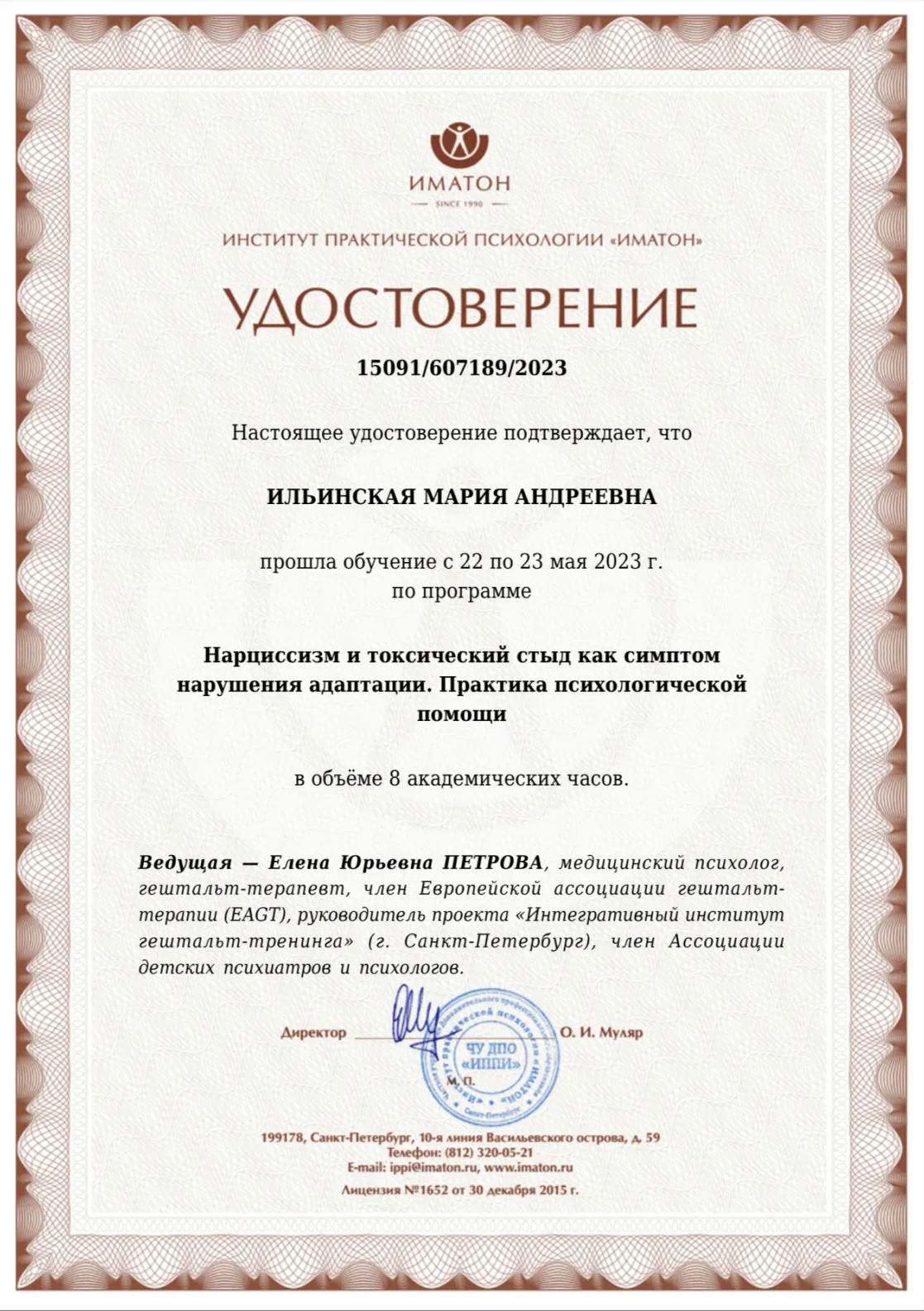
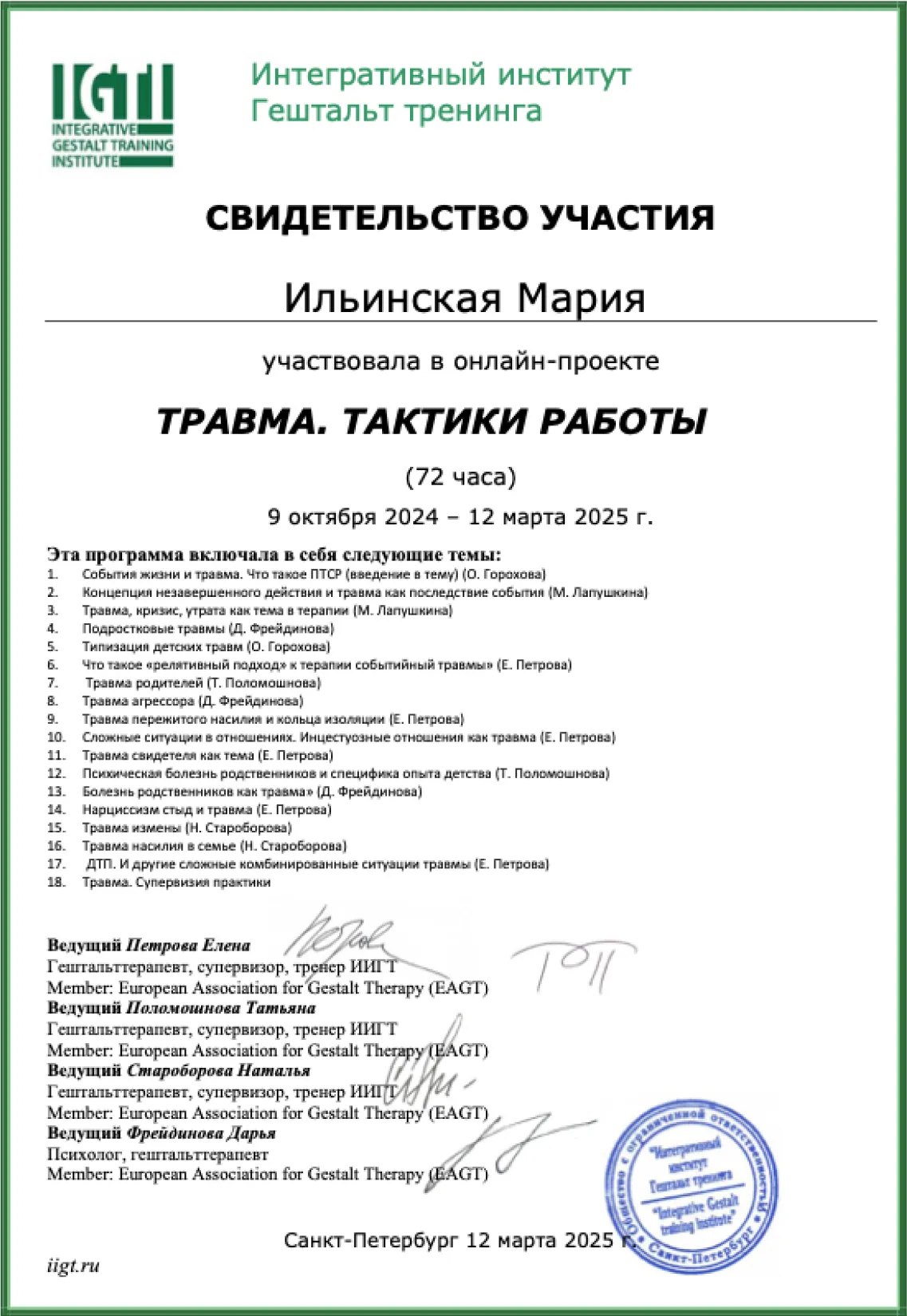
Shame often sits close by: not “I made a mistake”, but “there is something wrong with me”. This part of the work is never rushed.
Maria always asks the right questions to get to the bottom of deep-seated beliefs